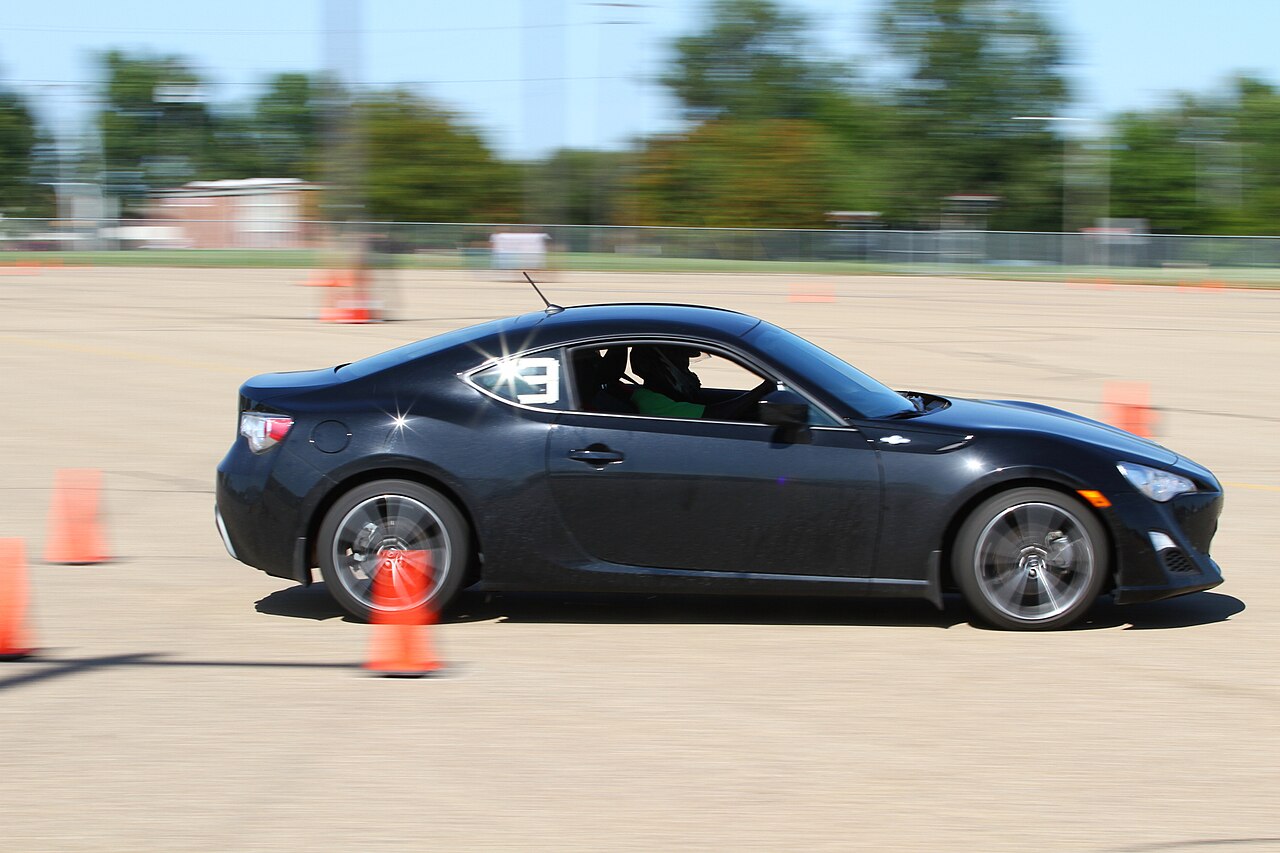
M7 Japan's Scion FR-S: A Masterclass in Japanese Tuning
When the Scion FR-S launched in 2012, every serious tuner in Japan was paying attention. M7 Japan — known for their refined, balanced approach to performance — were among the first to show what the platform could really do.
The M7 SCION FR-S build documented on their blog in late 2012 became one of the most shared FR-S builds of the era, and was featured on ScionOwners.com as a showcase of what Japanese tuning philosophy looks like applied to this platform.
M7’s Approach
M7 Japan’s philosophy differs from pure power builds. Their focus is on balance — improving every aspect of the car’s dynamics without compromising its core character. For the FR-S, that meant:
- Maintaining the lightweight advantage (no heavy turbos or intercoolers)
- Improving chassis rigidity without stiffening the ride to track-only levels
- Extracting more from the FA20 naturally aspirated before considering forced induction
The Build Breakdown
Suspension & Chassis:
- Coilover suspension (Bilstein/Öhlins-compatible setup)
- Stiffer front and rear anti-roll bars
- Strut tower brace (front and rear)
- Chassis spot-welds addressed and seam-sealed
Engine & Intake:
- Cold air intake system
- High-flow exhaust manifold
- Sport catalytic converter
- Cat-back exhaust (M7 signature system)
- ECU tune targeting the stock power band
Wheels & Brakes:
- 17×9 staggered lightweight forged wheels
- Michelin Pilot Sport 4S (245 front / 265 rear)
- Big brake kit (front 4-pot calipers)
- Stainless braided brake lines
Aero & Exterior:
- Front lip spoiler (factory line extension)
- Side skirts
- Rear diffuser
- No wing — keeping the clean factory roofline
Interior:
- Recaro bucket seats (driver’s side)
- Momo steering wheel
- Short-shift kit
Why It Mattered
The M7 build demonstrated that the FR-S didn’t need a turbo to be fast — it needed to have its existing dynamics sharpened. The naturally aspirated approach kept the car’s fundamental character intact: rev-happy, balanced, and communicative.
The build was estimated to produce approximately 215–220 hp at the wheels after the intake, exhaust, and tune — a modest but meaningful gain over stock.
More importantly, the chassis work transformed the driving experience. Multiple reviewers who drove the M7 car noted that it felt like a significantly more expensive vehicle.
The FR-S Platform Today
The FR-S / BRZ / GT86 platform has proven itself as one of the great sports car foundations of its era. A second generation (GR86 / BRZ gen 2) launched in 2022 with a larger, more powerful FA24 engine — vindicating everything M7 and the early tuning community said about the platform’s potential.
First-gen FR-S values have stabilized and are climbing as the car enters collector territory. Clean, low-mileage examples are increasingly hard to find.
Related Model
Scion FR-S Owner Hub
Guides, specs, mods and more.