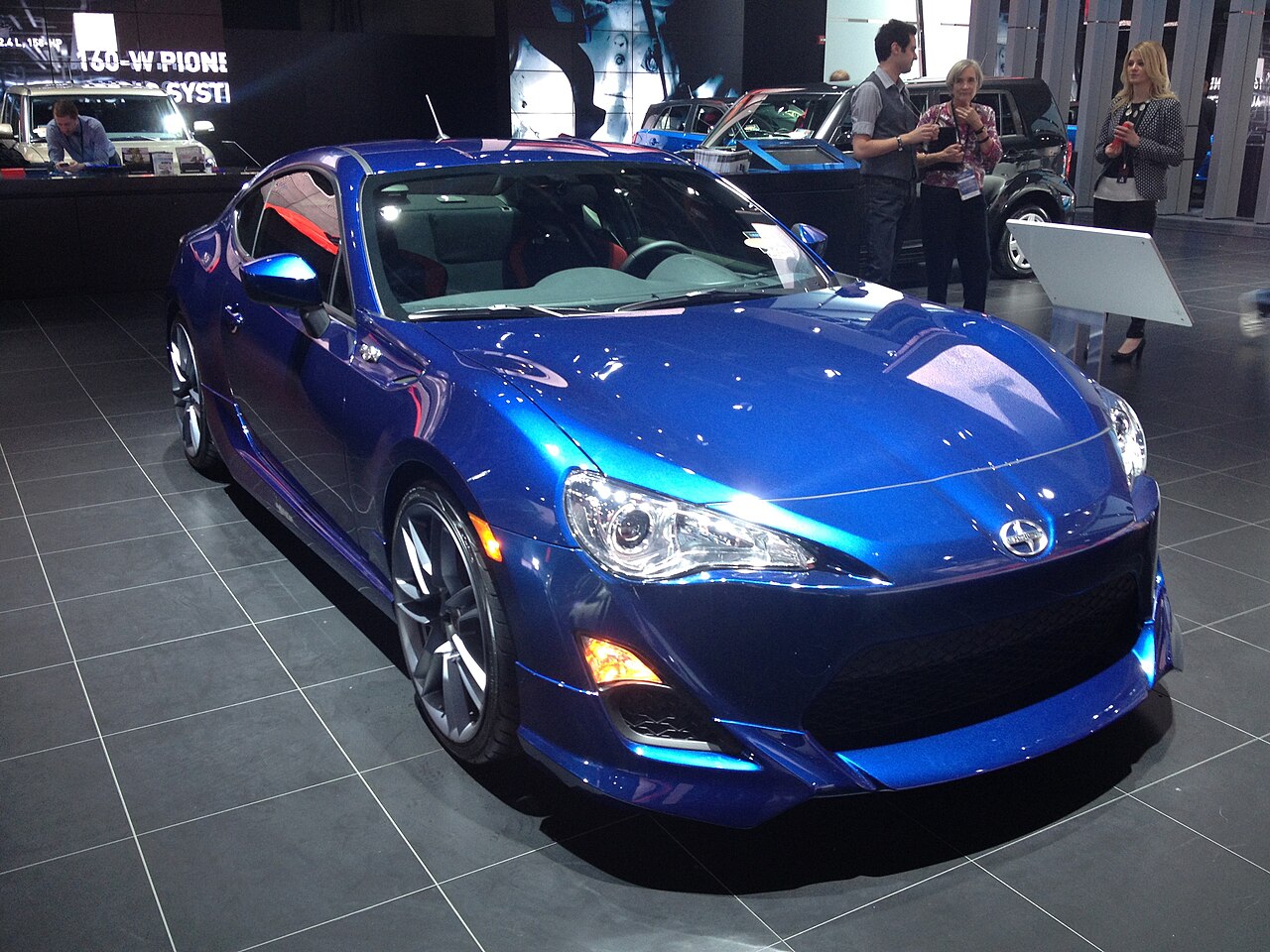
Scion Air Suspension Buyer's Guide: Air Lift vs AirRunner
- How Air Lift Performance and AirRunner kits actually differ, not just on price
- Management system tiers — analog switch boxes vs digital app control
- What install complexity really looks like on tC, FR-S, and xB platforms
- Who each system is actually built for
TL;DR: Air Lift Performance is the more established name with a deeper Scion-specific fitment catalog and stronger long-term parts support; AirRunner competes mainly on price with kits that use similar strut/bag architecture. If you want the safest bet for daily-driven ride quality and support, Air Lift’s kits are the lower-risk choice. If budget is the deciding factor and you’re comfortable sourcing your own fittings and troubleshooting, AirRunner gets you to the same static ride-height look for less money up front.
Air suspension on a Scion comes down to one real choice: pay more for Air Lift’s fitment accuracy and support, or pay less with AirRunner and take on more of the setup work yourself.
What Does an Air Suspension Kit Actually Replace?
An air suspension kit replaces your factory or aftermarket coilover struts and springs with a strut assembly built around an air spring (bag) instead of a steel coil, plus a management system — a compressor, air tank, valves, and either an analog switch box or a digital controller — that lets you raise or lower ride height on demand. On a Scion tC, FR-S, or xB, this is functionally a strut-and-shock replacement, not a bolt-on accessory, which is why fitment accuracy (correct strut length, correct spring rate for the platform’s weight, correct top-mount hardware) matters more here than with most other mods.
Air Lift Performance vs AirRunner — What’s the Real Difference?
The real difference between Air Lift and AirRunner is depth of platform-specific engineering, not just brand recognition. Air Lift Performance has built and tuned kits specifically around individual chassis (their catalog treats the FR-S/BRZ platform as its own fitment, not a generic strut kit), which shows up in ride quality at both extremes of travel — full compression and full droop are where cheaper generic kits tend to feel harsh or unpredictable. AirRunner’s kits generally use a similar strut-and-bag layout at a lower price point, but with a thinner platform-specific fitment history, which means more owners report needing to source their own brackets, fittings, or minor adaptations depending on year and trim.
Neither is a “bad” choice on paper — the decision is really about how much of the fitment risk you want to absorb yourself versus pay Air Lift to have already solved.
Which Management System Should You Get?
Your management system should match how often you plan to adjust ride height, because the analog and digital tiers solve genuinely different problems. A basic analog switch box (manual toggle switches wired to the compressor and valves) is the cheapest way to get functional air suspension and is fine if you mostly set one ride height and leave it. Air Lift’s higher-tier digital systems (app-controlled, with height-memory presets) matter if you’re regularly transitioning between a low static show height and a drivable daily height — school speed bumps and steep driveways are the two situations where preset-based digital control earns its price difference over an analog box.
What Does Installation Actually Involve?
Installation on a Scion platform involves the same core steps regardless of brand: removing the factory struts, installing the air strut assemblies, running air lines from each corner to a trunk-mounted tank and compressor setup, and wiring the management system to a switched power source. Budget realistic shop time (or a full weekend DIY) for line routing alone — running air lines cleanly through the chassis without kinks or rub points is the step most first-time installers underestimate, on either brand.
Frequently Asked Questions
Is air suspension reliable for a daily-driven Scion?
▼
Yes, with proper maintenance — the compressor, tank, and air lines need periodic inspection just like any other wear component, but a correctly installed kit from either brand can be driven daily. Most reliability complaints trace back to installation shortcuts (poor line routing, undersized wiring) rather than the core air spring hardware itself.
Does air suspension hurt ride quality compared to coilovers?
▼
Not inherently — a well-tuned air strut can ride comparably to a mid-range coilover at a given height, since both use a strut-and-damper core. The difference shows up at ride-height extremes: cheaper air kits tend to feel harsher at full compression than an equivalent coilover, which is where platform-specific tuning (Air Lift’s main advantage) matters most.
Can I install air suspension myself, or do I need a shop?
▼
A mechanically comfortable DIYer can install either brand with basic hand tools and a weekend, but wiring the management system and routing air lines cleanly is where most self-installs go wrong. If you’re not confident running 12V wiring safely, that portion is worth paying a shop for even if you do the strut swap yourself.
Related Builds & Guides
Related Model
Scion FR-S Owner Hub
Guides, specs, mods and more.